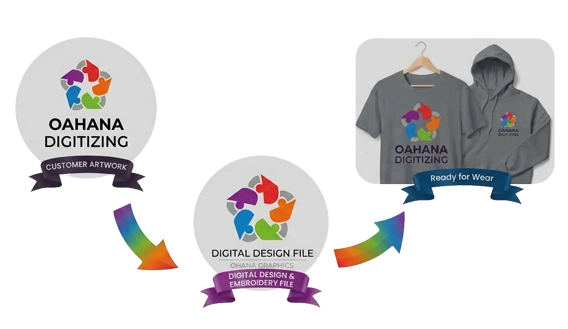
Embroidery digitizing is the technical aspect of converting artwork into an electronic format that an embroidery machine can read and stitch out accurately. It is the detailed definition of stitch types, directions, and densities to produce precise and accurate stitching.
Unlike other formats, digitizing is not just about converting files but requires skill and an understanding of how an embroidery machine operates. Every machine uses different formats to read files and perform stitching accordingly. The right choice of formats is vital to produce consistent and professional results from an embroidery machine.
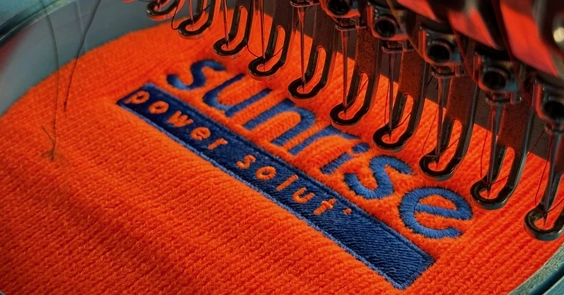
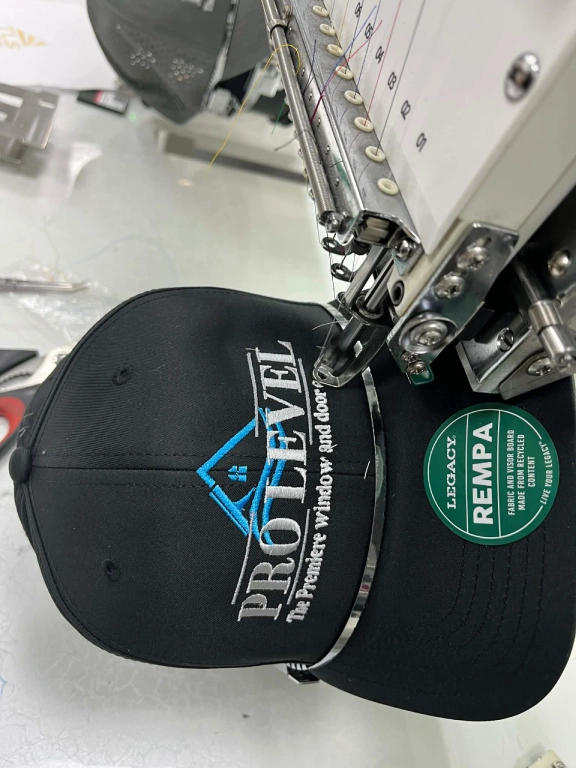
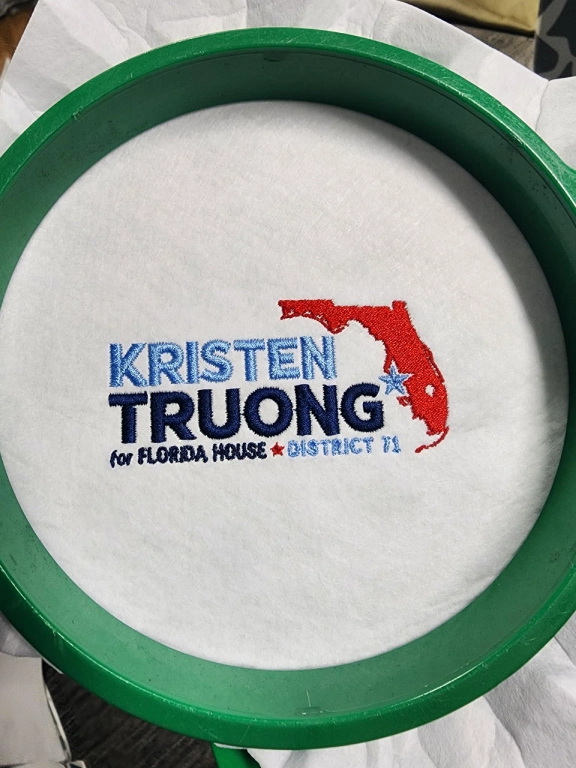
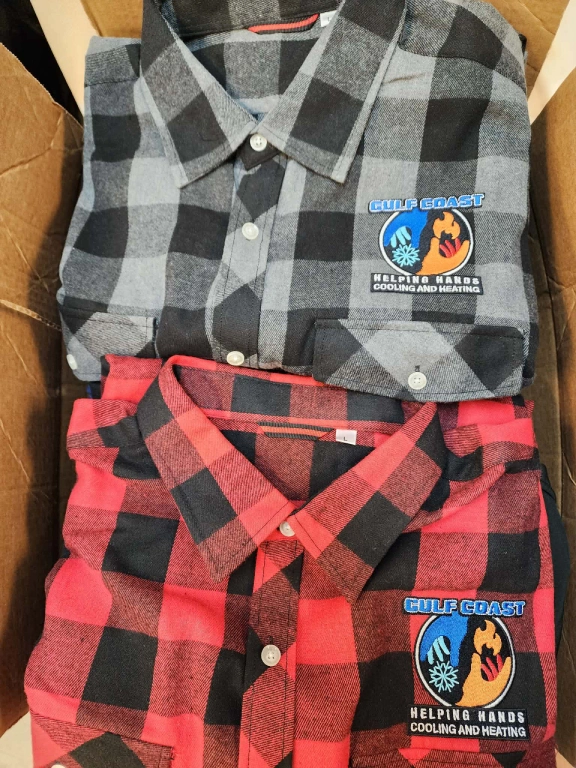
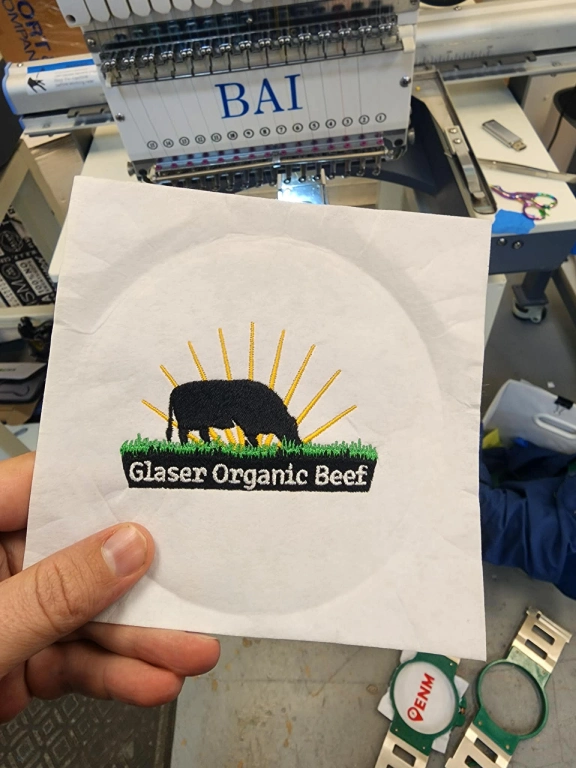
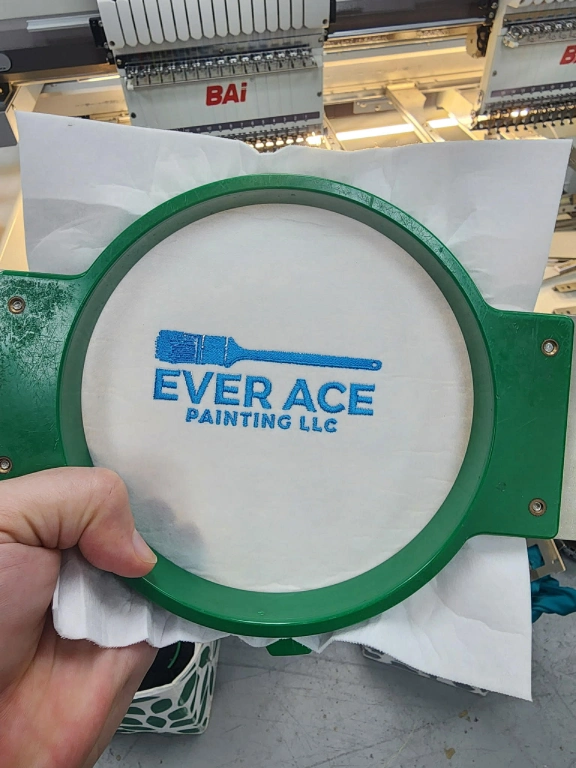
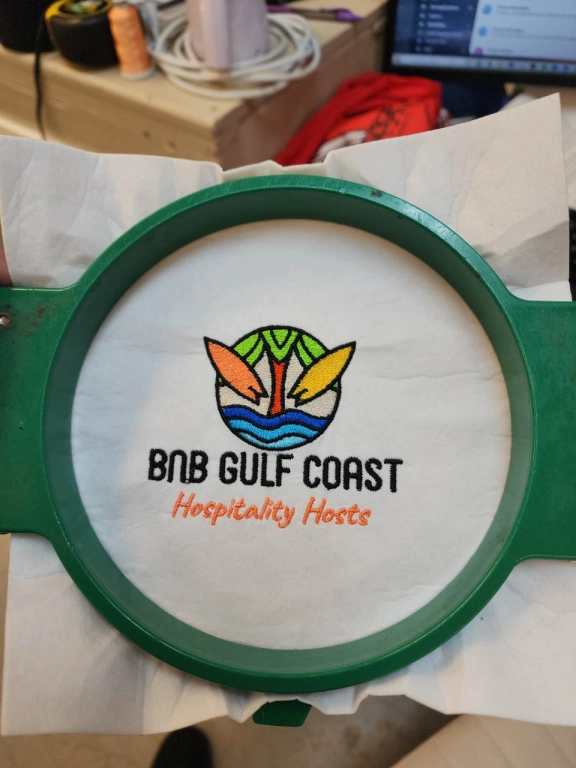
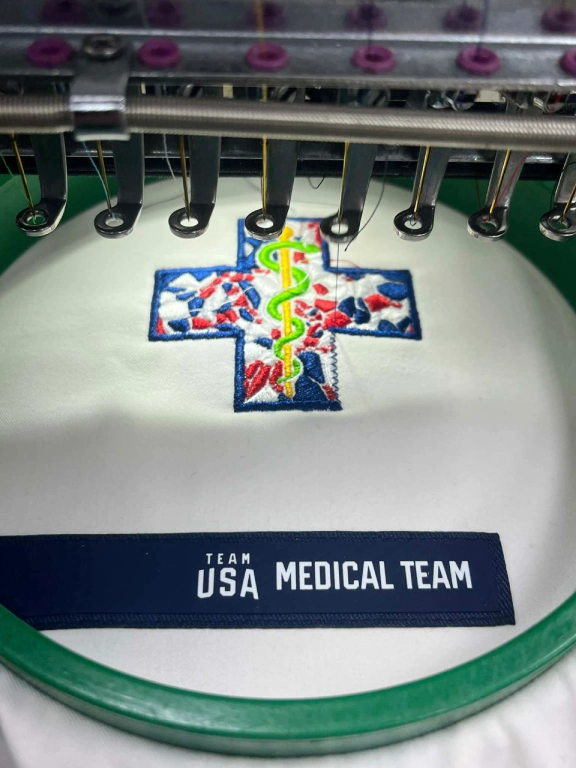
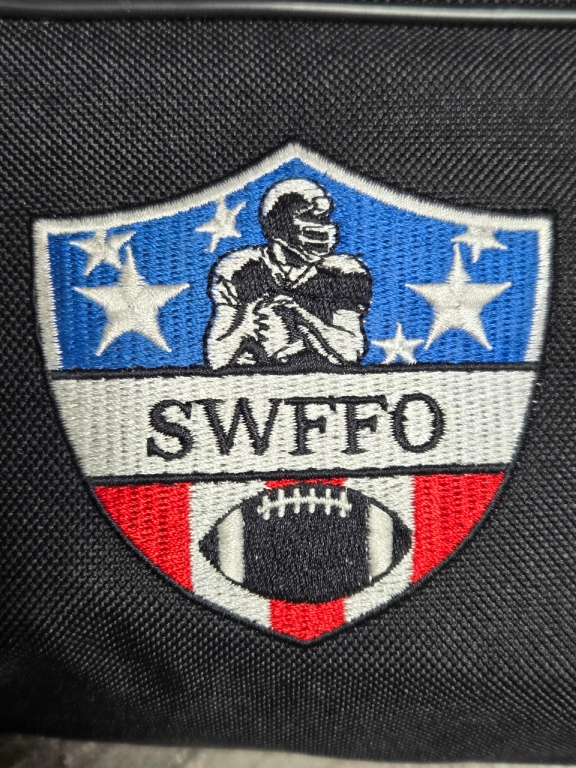
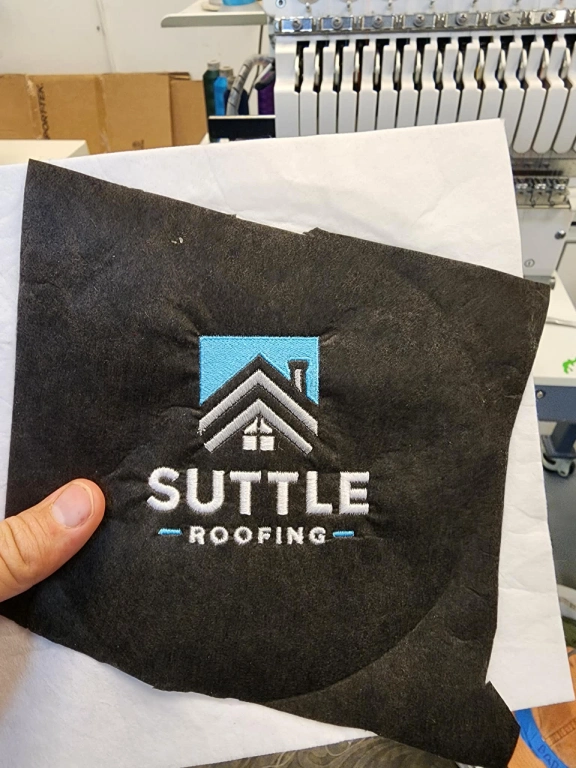
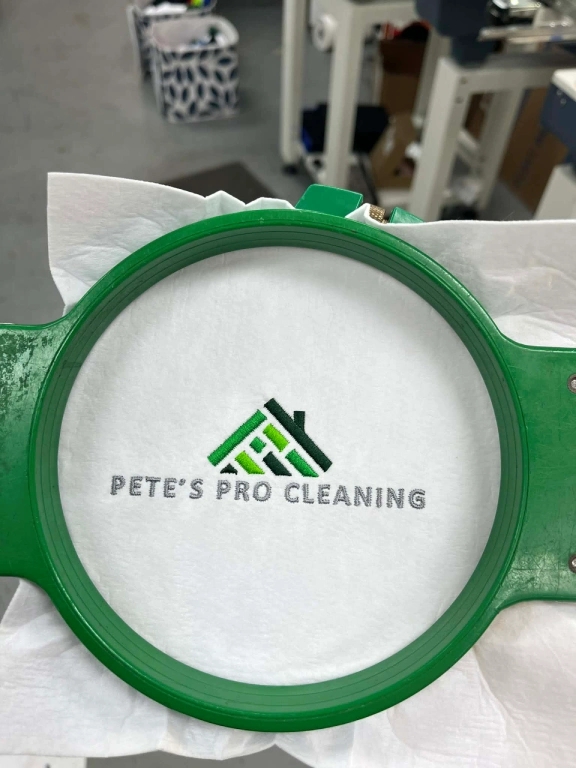
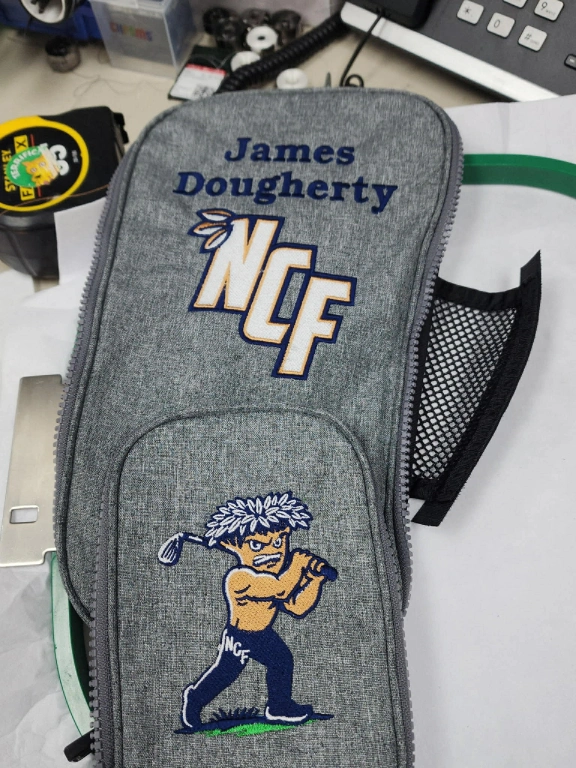
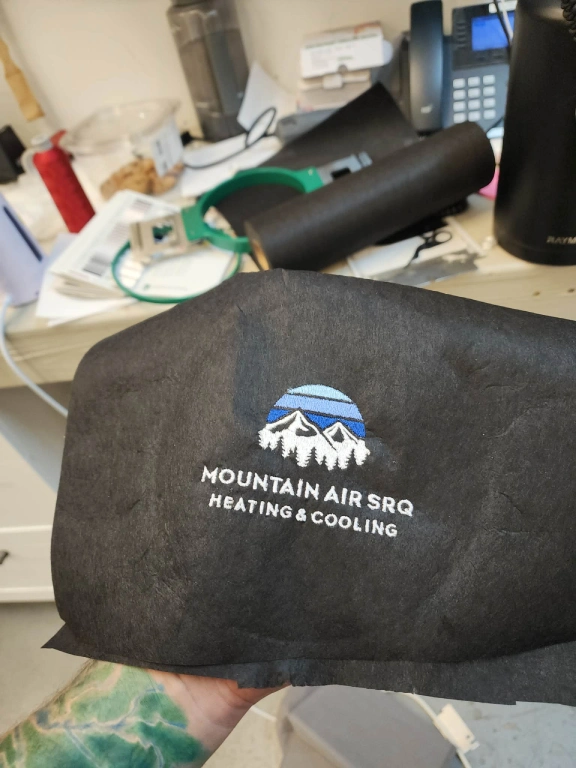
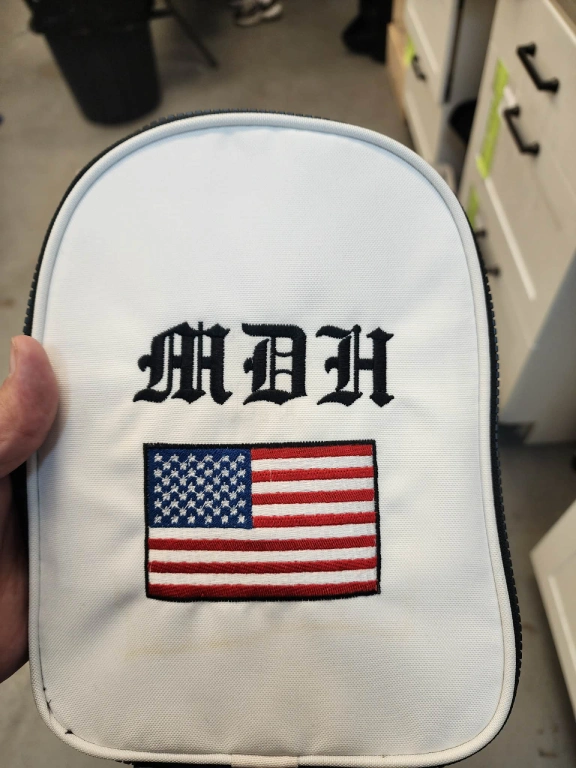
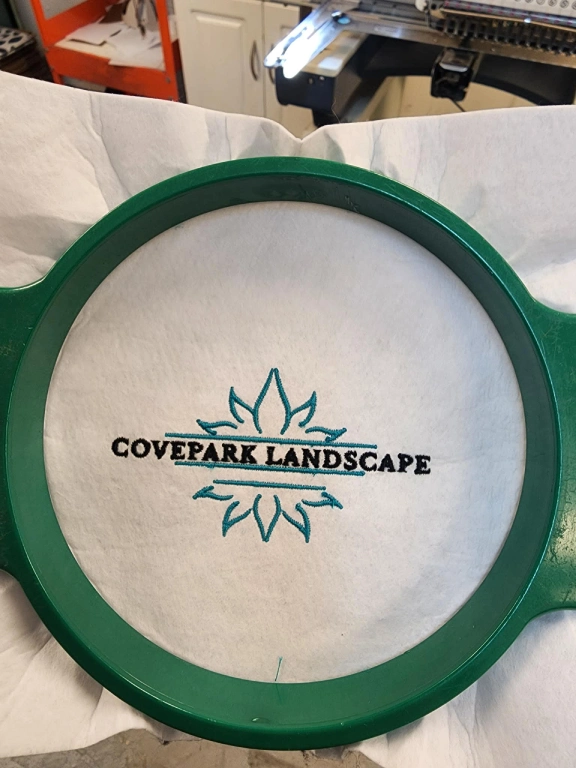
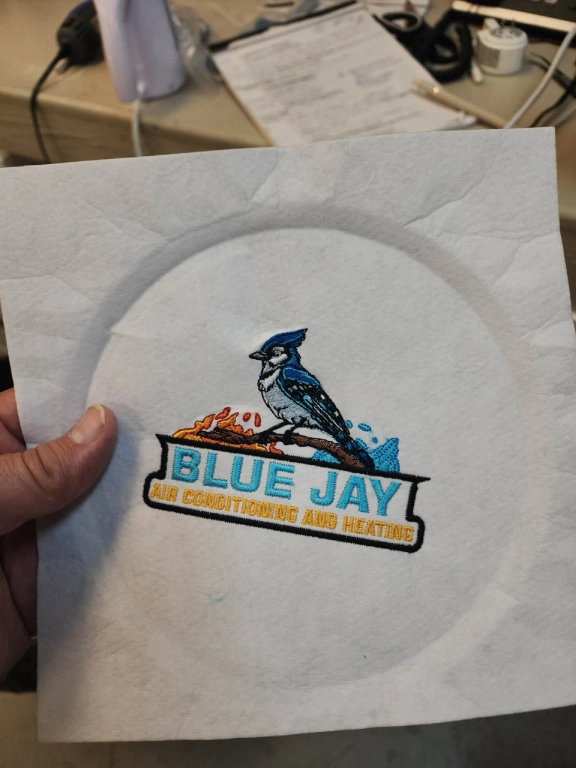
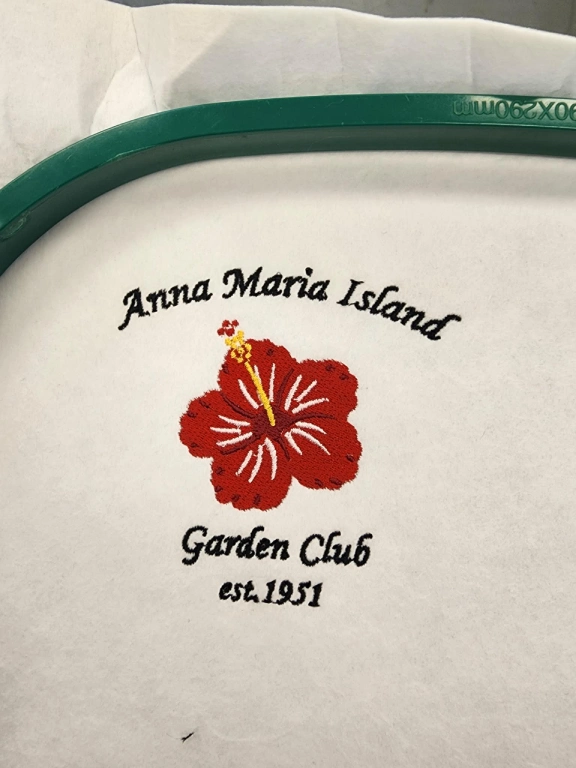
Regular Digitizing is the process of converting artwork into an embroidery file using yarn or thread only. Different types of stitches are employed to embroider the design with accuracy and detail. The basic types of stitches employed are Satin Stitch, Fill Stitch (Tatami), and Running Stitch (Bean or Straight). These types of stitches are employed based on the shape and size of the design for the best results. It is the most widely used type of embroidery for logos, text, and designs.
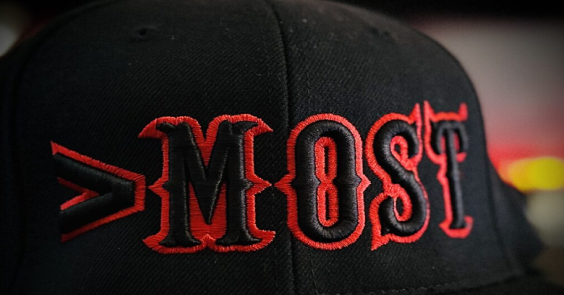
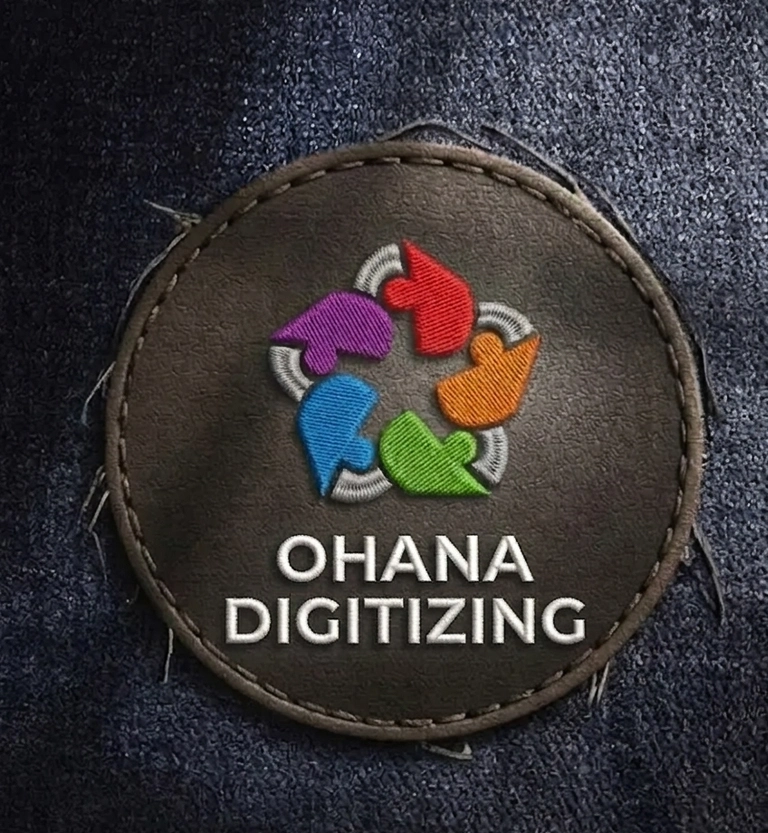
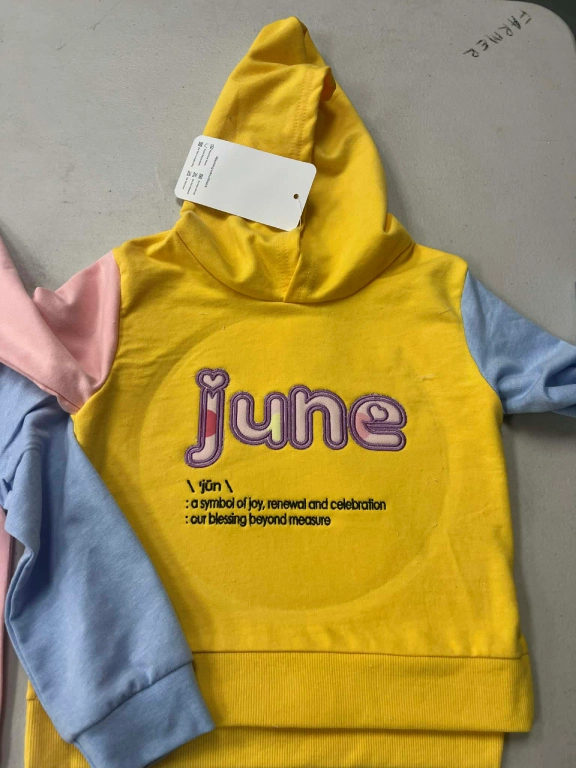
3D Puff Embroidery is a method in which foam is placed below the stitches, giving a three-dimensional look to the design. This style is used to give the design a bold look. Special techniques are required in digitizing this design so that the stitches are able to cover the foam properly. This design cannot be done using normal designs.
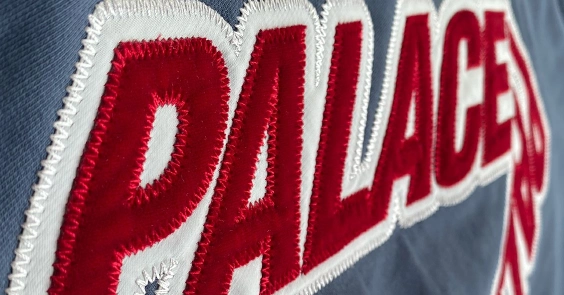
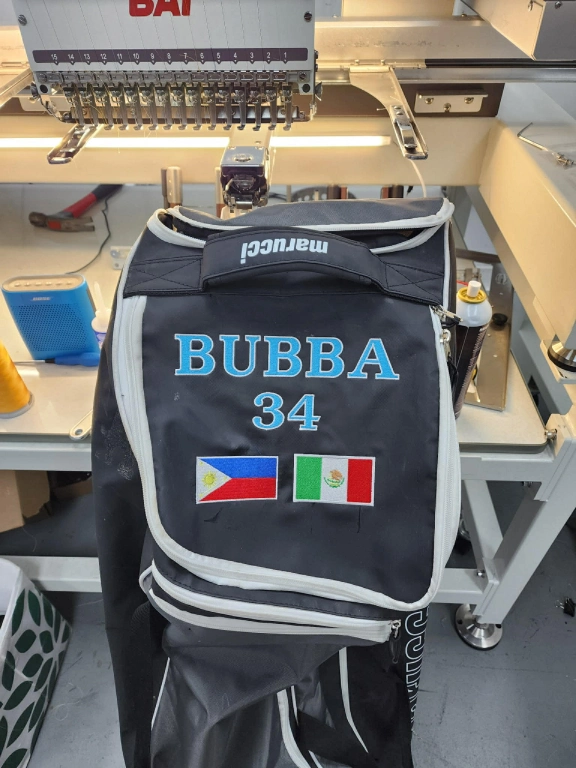
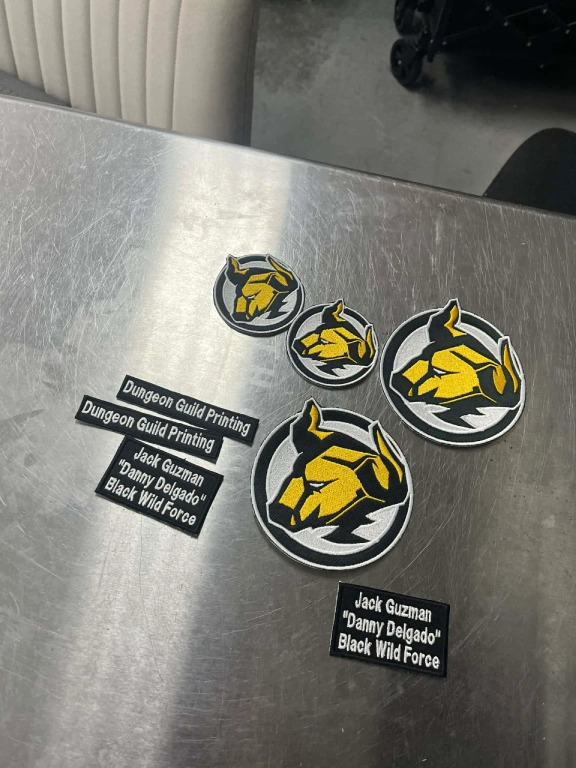
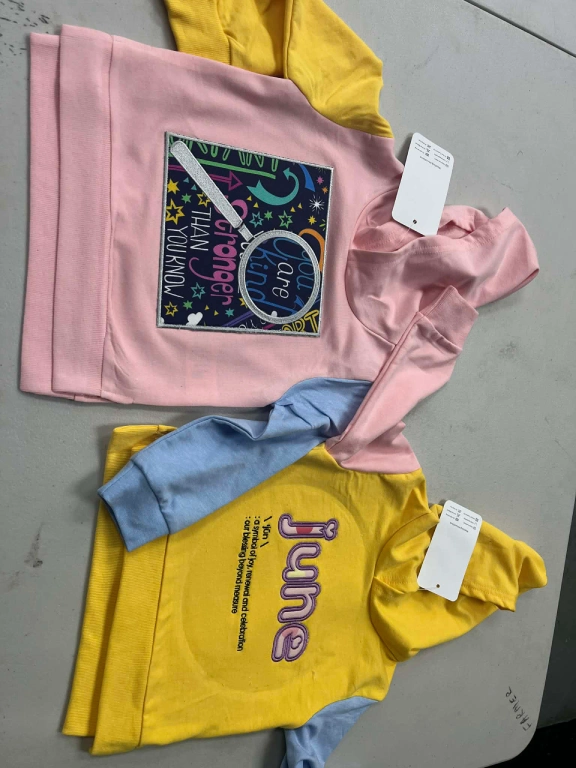
Applique is a stitching technique in which pieces of fabric are used and then stitched over a base fabric to create a design or pattern. Different shapes and textures of fabrics are used to beautify the appearance of the pattern. This stitching technique is usually used for decorative purposes, mostly on clothing, uniforms, and fabrics. This technique of stitching can be done manually as well as with the help of an embroidery machine. This technique of stitching is also used to minimize the number of stitches required to create a pattern.
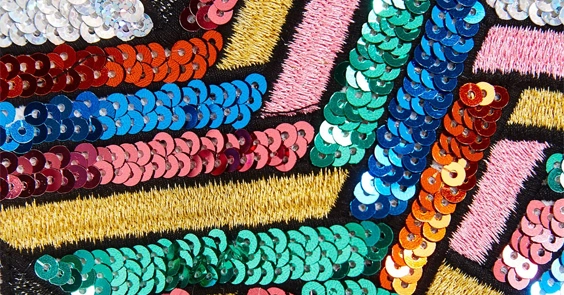
Sequin Embroidery helps create a shiny and eye-catching effect on a garment. Small decorative sequins are embroidered on the fabric to create a stylish and glittering effect. Generally, sequins are of different sizes, ranging **from 2mm to 7mm** in diameter, and are available in different shades of color. Modern embroidery machines are equipped with a sequin attachment, which helps place sequins during stitching. This method of embroidery is mostly used in ladies’ apparel and decorative clothing.
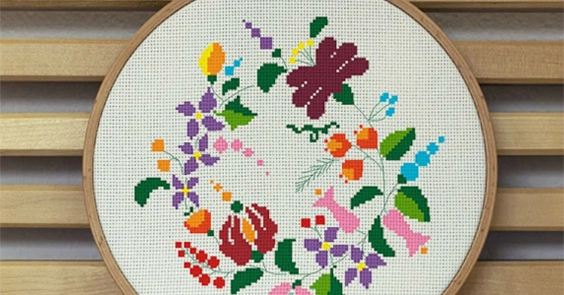
Cross Stitch Embroidery: This method of embroidery involves creating an "X" pattern, which forms a stitch design. This method of embroidery gives a handmade, picture-like appearance to the embroidery work. This type of embroidery pattern can be achieved with any of the modern embroidery machines available in the market today. This stitch pattern provides a texture-like appearance to the embroidered work, which looks classy. This stitch pattern is used in quilting, home decor, and decorative embroidery.
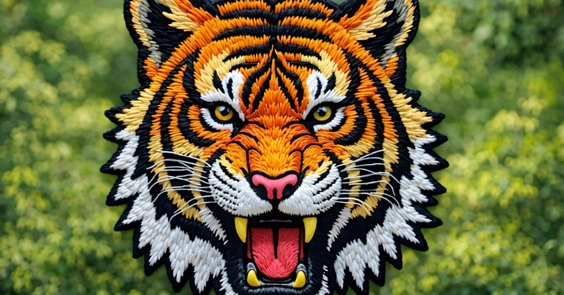
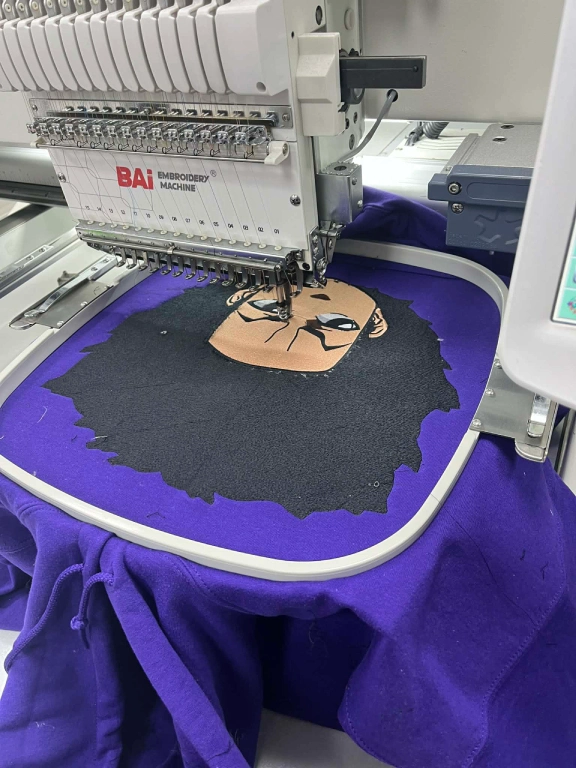
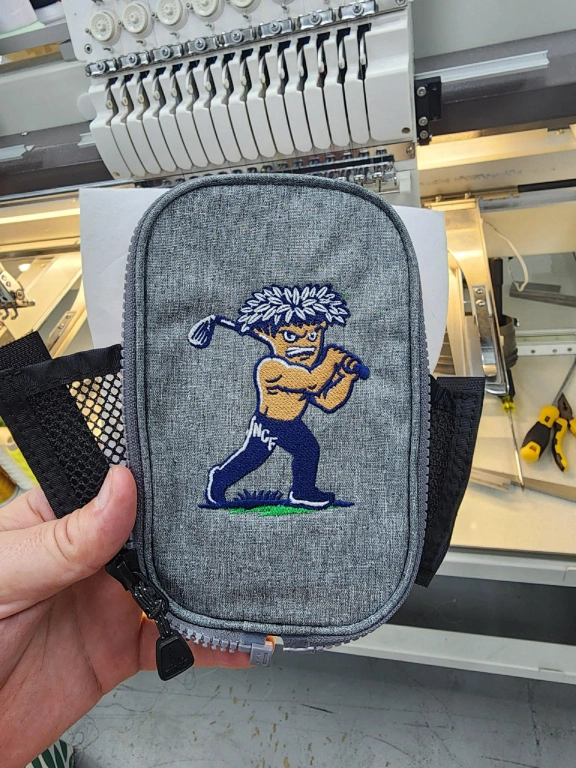
Picture Digitizing is an advanced embroidery technique that gives embroidered designs a photo-like look using threads. This technique converts pictures or portraits into embroidered designs. It incorporates special stitch patterns and shades, just like when painting a picture. There are different ways of digitizing depending on the image or portrait to be embroidered and the fabric to be used. Get in touch with us to know how it works.
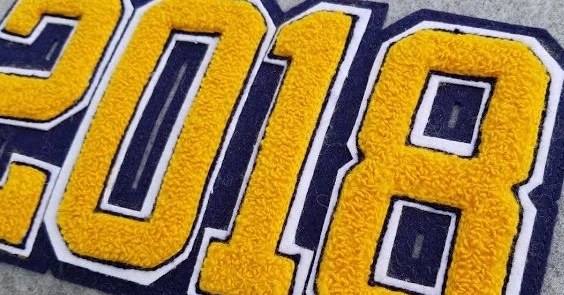
Chenille Embroidery is a special form of embroidery that uses loops of yarn instead of the normal threads used in the normal form of embroidery. Chenille is a French word that means a fuzzy caterpillar. Chenille Embroidery produces a design that is soft, thick, and textured. Chenille is used for varsity jackets, patches, and large decorative lettering. It is made using special machines known as chenille embroidery machines.
We Use the most used professional and expensive software all Major Embroidery Software's that includes Wilcom, Pulse, Melco etc. we say no to software piracy



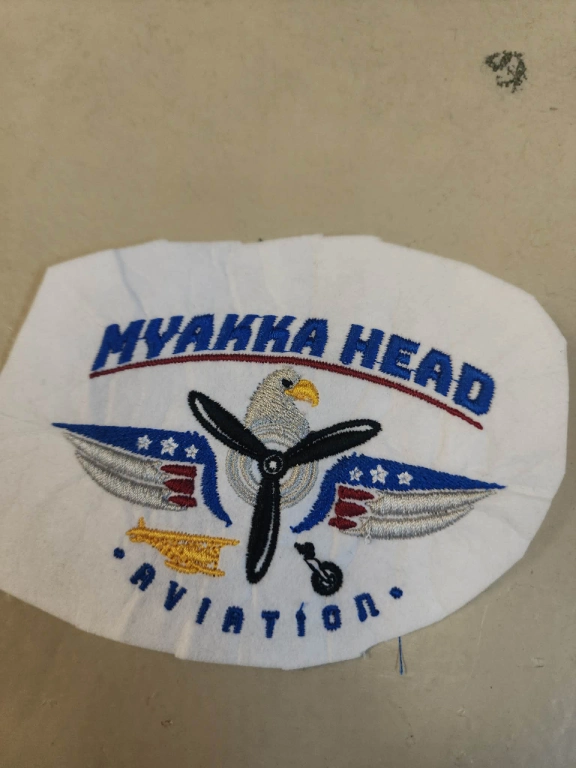
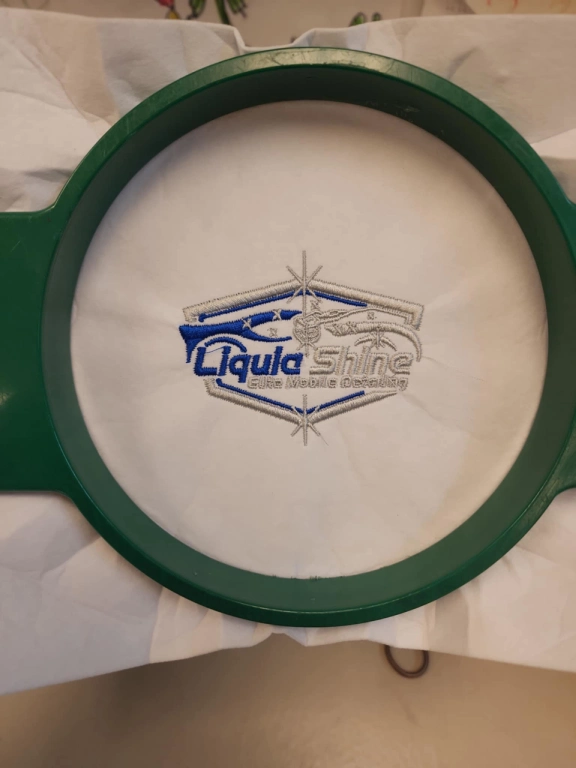
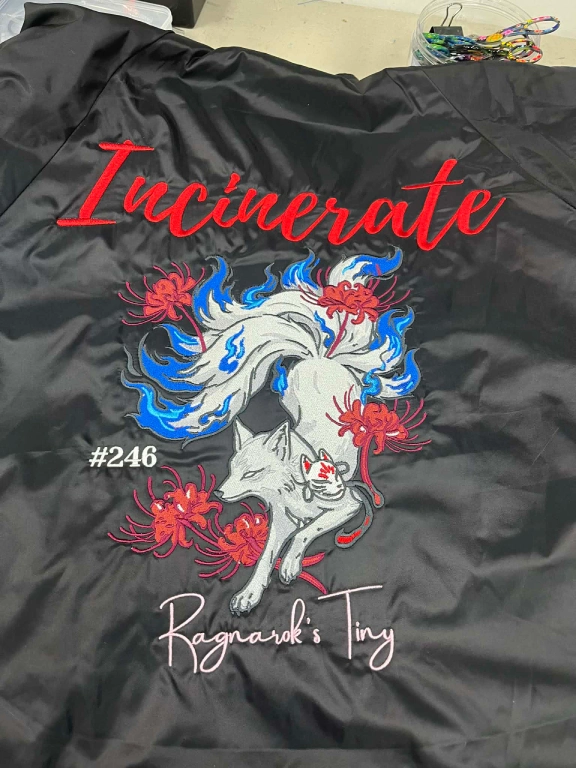
A: We accept all major file formats like JPEG, PNG, PDF, AI, or even a photo with your camera. However, it is best if the image is upright and in focus for the best results. It is best if it is a vector file or a transparent PNG file. We can also restore and recreate artwork for embroidery, though this will incur an additional charge.
A: Minor changes are usually free of charge. However, when it comes to major artwork changes or redesigns, there might be a need for an additional charge depending on the extent of the changes.
A: In some cases, making minor changes such as half an inch or one inch in size might be free of charge. However, embroidery designs cannot be fully scaled up or down in size.
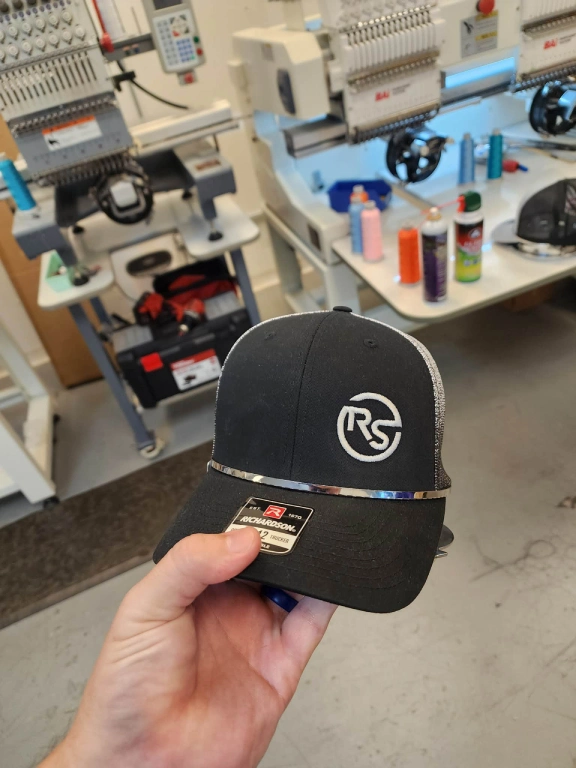
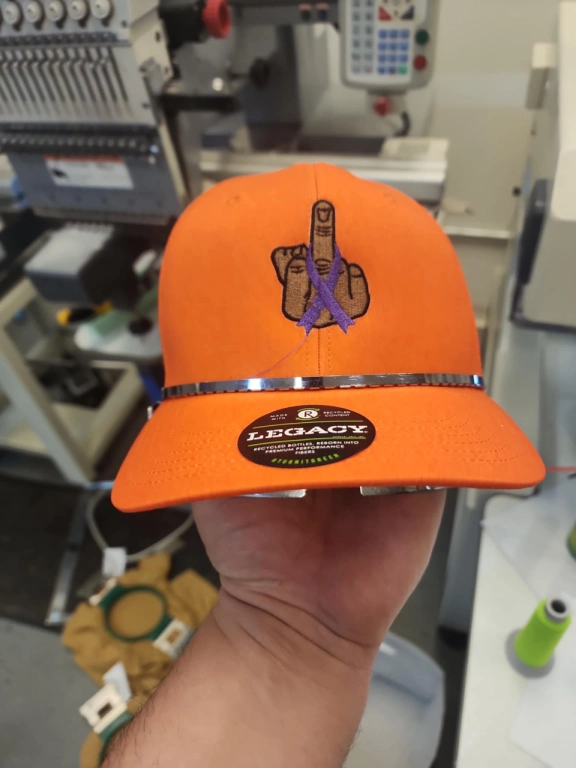
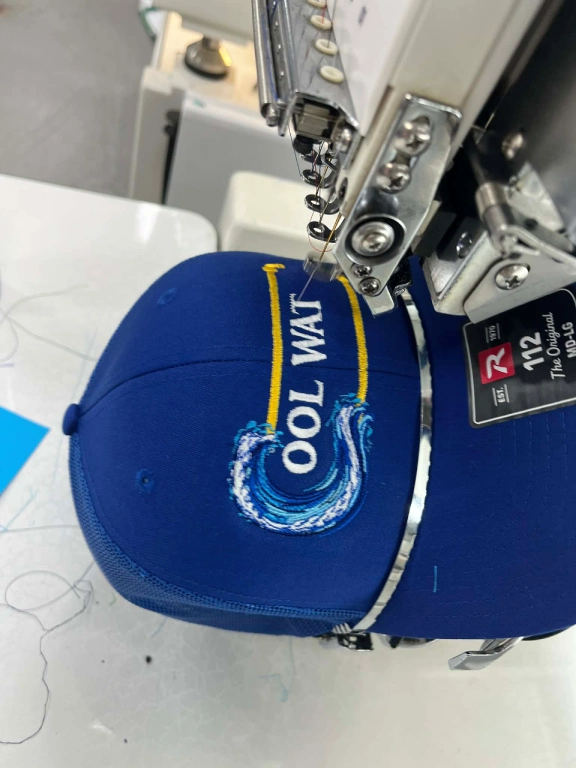
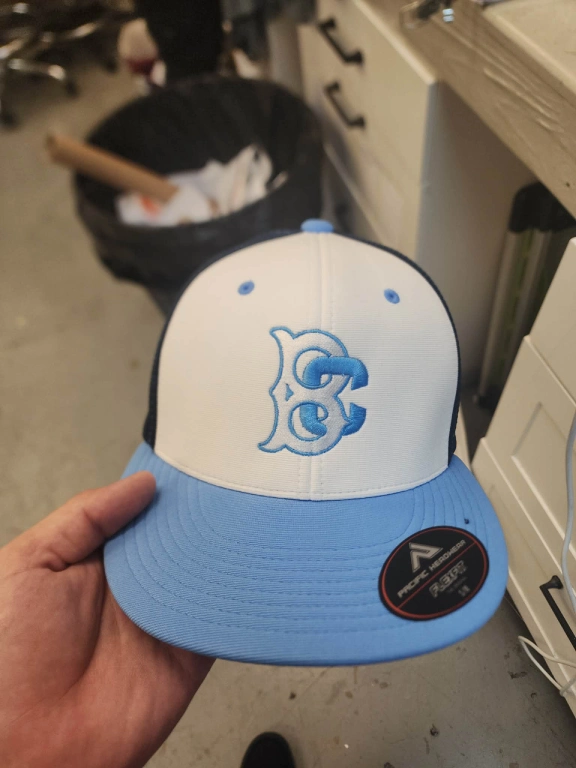
A: Each placement type has different requirements for the digitizing process. For instance, cap designs require different settings for a curved surface, which necessitates different stitch orders and densities. This implies that each placement type requires a different digitized file, which might attract an extra charge.
A: You will typically receive the following files:
1. Machine File – The embroidery file used directly on your
machine (DST, PES, JEF, EXP, OFM, and many others depending on your machine).
2. PDF Production Worksheet – A detailed worksheet including
design size, colors, thread sequence, stitch count, and other production details.
3. Source File – Available upon request.
4. JPEG Preview – A digital sew-out preview showing how the
design should appear after embroidery.
A: If you are not a professional digitizer, we do not recommend editing the file. Importing and exporting embroidery files in software can sometimes change important settings, which may affect the final embroidery result. It is best to use the file directly on your machine.
A: Embroidery designs are not totally scalable like vector graphics. Making them bigger or smaller using a machine or software can damage the design quality. It is always better to request a resize from us so that we can adjust or re-digitize the design for you.
A: We use PayPal as the primary method for accepting payments. You can also pay using any major credit/debit card through the PayPal gateway. Bank transfer and ACH transfer are available for US, UK, Canada, Australia, Japan, China, and EU countries.
A: Yes. We provide special pricing for customers who have regular or high-volume orders placed. The higher your order volume on a weekly or monthly basis, the better the pricing per design.